How AI Analyzes Character Representation in Scripts

- How To Use Gemini 1.5 Pro to Analyze Your Screenplay
- Key AI Methods for Analyzing Character Representation
- How to Use AIScriptReader for Character Analysis
- Reading AI Feedback on Character Representation
- Benefits and Limitations of AI for Character Analysis
- Conclusion
- FAQs
- How does AI promote fairness and inclusivity in character development?
- What are the advantages and challenges of using AI tools like AIScriptReader to analyze character representation in scripts?
- How can screenwriters use AI feedback to enhance their scripts while staying true to their creative voice?
AI tools like AIScriptReader are transforming how screenwriters develop characters. They analyze scripts to ensure characters are well-rounded, relatable, and free from bias. By leveraging natural language processing (NLP), sentiment analysis, and screen time evaluation, AI provides actionable insights to improve dialogue, character arcs, and representation.
Key Highlights:
- Character Depth: NLP identifies traits, motivations, and archetypes, ensuring characters evolve meaningfully.
- Balanced Representation: AI measures dialogue distribution and screen presence to flag imbalances.
- Bias Detection: Tools highlight unconscious stereotypes, promoting fairer storytelling.
- Emotional Consistency: Sentiment analysis tracks emotional journeys, refining character authenticity.
- Actionable Feedback: Platforms like AIScriptReader generate detailed reports with improvement suggestions.
AI doesn’t replace creativity but complements it, helping writers craft relatable and impactful stories while aligning with audience expectations.
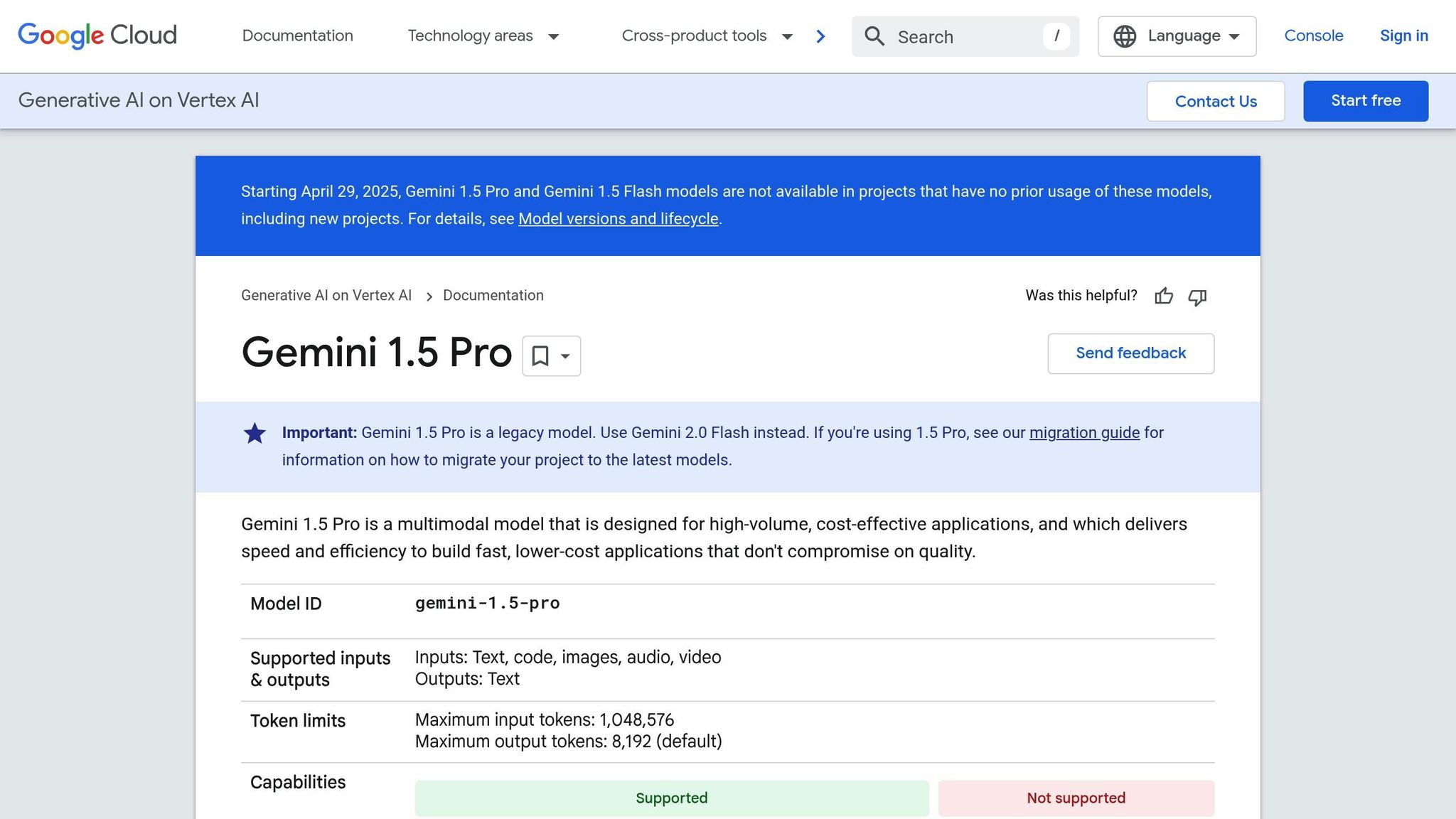
How To Use Gemini 1.5 Pro to Analyze Your Screenplay
Key AI Methods for Analyzing Character Representation
AI is transforming the way screenwriters and filmmakers understand and build characters. By analyzing traits, dialogue, and screen presence, these tools provide actionable insights, helping writers create well-rounded and engaging characters.
Natural Language Processing and Character Categorization
At the heart of AI-driven character analysis is Natural Language Processing (NLP). This technology dives deep into scripts, uncovering linguistic patterns, dialogue structures, and character traits. It doesn’t just skim the surface - NLP evaluates the context of interactions, revealing how dialogue reflects personality traits, motivations, and emotional arcs. By identifying actions, emotions, and speech patterns, NLP can classify characters into archetypes and track their evolution.
Take, for example, the work of researchers Baruah and Narayanan. They demonstrated how large language models could extract character attributes like goals, emotions, and professions to map out development arcs. Their study of The Godfather highlighted Michael Corleone's transformation, showing how his emotional shifts and changing objectives could be tracked quantitatively throughout the story.
"Archetypes are the color wheel for culture. They segment psyche into specific containers of values - moral, aesthetic, and creative." - Will Cady
An innovative tool in this space is the Portrayal system, developed by Hoque and colleagues. This system analyzes dialogue features and character traits, visualizing how characters evolve over time. In tests with writers, Portrayal flagged weak or flat character arcs and provided suggestions for improvement. By capturing these dynamics, it showcased how AI can guide writers in refining their characters.
Beyond linguistic analysis, AI also evaluates how much space characters occupy in a narrative, offering insights into balance and representation.
Analyzing Screen Time and Dialogue Distribution
AI tools can measure how much narrative weight each character carries by analyzing dialogue quantity and on-screen presence. This process highlights whether characters are treated equitably and helps uncover imbalances in representation. By counting lines of dialogue, examining scene descriptions, and calculating prominence, AI ensures no character is sidelined.
For instance, these tools can identify if certain demographic groups receive disproportionately less dialogue or screen time, allowing writers to address representation issues proactively. Filmmakers can also use this data to maintain narrative balance, ensuring that each character’s role aligns with the story’s goals. Additionally, some platforms extend their analysis to logistical planning, predicting staffing needs based on script elements.
"AI is a powerful lens, but human insight is the light that brings a story into focus." - Ava DuVernay, Writer, Director, and Producer
But AI doesn’t stop at counting words. It examines the quality of character interactions. Are characters driving the plot, sparking conflicts, or merely reacting to others? By answering these questions, AI provides a deeper understanding of how meaningfully characters contribute to the story’s progression.
AI also goes beyond physical presence, delving into the emotional layers of characters through sentiment analysis.
Sentiment Analysis for Character Depth
Sentiment analysis is a powerful tool for exploring a character's emotional journey. This technique evaluates dialogue, reactions, and narrative descriptions to determine whether characters exhibit realistic emotional depth and growth.
By tracking emotional states across scenes, AI can identify whether characters maintain a consistent emotional voice while showing appropriate changes over time. This helps writers avoid emotionally flat or inconsistent characters. For instance, sentiment analysis can highlight whether a character’s emotions align with their personality or if they undergo meaningful development throughout the story.
The technology also uncovers patterns in how different types of characters are portrayed emotionally. Are certain groups confined to narrow emotional ranges or stereotypical portrayals? By identifying these trends, AI helps writers craft more nuanced and authentic characters.
Moreover, sentiment analysis ensures that dialogue reflects genuine emotion. It flags instances where speech patterns feel out of sync with a character’s established personality or background, helping writers maintain authenticity and avoid unintentional missteps.
How to Use AIScriptReader for Character Analysis
AIScriptReader makes character analysis straightforward for screenwriters of all experience levels. Whether you're just starting or you've been in the industry for years, the process is simple and secure. Here’s a step-by-step guide to help you get the most out of AIScriptReader for analyzing your characters.
Step 1: Upload Your Script
Start by uploading your script to AIScriptReader’s secure platform. The tool supports standard screenplay formats like PDF and Final Draft files, so it works seamlessly with most writing software. Rest assured, your script is handled with care and confidentiality.
Using the dashboard, you can upload your file in just a few minutes. The platform will validate the file format and confirm the upload before moving forward. Once your script is ready, you’ll choose your analysis preferences.
For character analysis, you have two options:
- Coverage Report ($39): This provides a broad overview of your script, including a detailed evaluation of your characters.
- Both Reports ($69): This includes the Coverage Report plus Development Notes, which offer in-depth suggestions for improving your characters.
These options give you the flexibility to decide how detailed you want the feedback to be, catering to both general insights and more specific character development needs.
Step 2: AI Processing and Report Generation
Once your script is uploaded, AIScriptReader gets to work. Using advanced natural language processing (NLP), the system analyzes your script in about two hours.
The AI doesn’t just count lines or screen time - it digs deeper. It evaluates how dialogue is distributed, tracks character growth, and identifies potential imbalances in representation. The system also examines whether characters are actively driving the plot, maintaining distinct voices, and showing meaningful development throughout the story.
For example, the analysis can highlight if a character’s screen time is too limited or if their dialogue feels inconsistent with their role in the narrative. This level of detail ensures that your characters aren’t just placeholders but integral to the story. Studios using AI tools like this have reported a 25% increase in script selection accuracy, showcasing how effective these insights can be.
Step 3: Receive Actionable Feedback
Once the analysis is complete, you can access your report through the dashboard. The Coverage Report provides a clear breakdown of your characters’ strengths and weaknesses, while the Development Notes (included with the Both Reports option) go further, offering specific recommendations for improvement.
For instance, the Development Notes might point out a flat character arc and suggest ways to add emotional depth. They could recommend expanding a character’s dialogue in Act II to better establish their expertise or tweaking a mentor character to avoid clichés. These notes are designed to help you refine your characters while keeping current audience preferences and market trends in mind.
The feedback also flags issues like inconsistent character behavior, lack of emotional authenticity, or uneven representation. Each character is analyzed in detail, with suggestions tailored to their role in the story. By addressing these points, you’ll not only enhance your script creatively but also ensure it resonates with industry expectations.
This targeted feedback makes revisions more efficient, allowing you to focus on what matters most: creating compelling, well-rounded characters that fit seamlessly into your narrative.
sbb-itb-44d62f7
Reading AI Feedback on Character Representation
When you receive your AIScriptReader report, dive into its character insights to refine and elevate your script. Think of the feedback as a guide to creating characters that resonate deeply with audiences. This section unpacks how to interpret these insights and use them to make meaningful adjustments, building on earlier discussions about AI-driven character analysis.
Reading Character Archetypes and Roles
AIScriptReader identifies character archetypes and evaluates how effectively each character serves their narrative role. It examines character arcs, interactions, and consistency, ensuring your characters feel developed and relatable. Pay close attention to both the identified archetypes and the suggestions for improvement.
For example, the AI might classify a character as a "mentor figure" but note that their guidance feels generic or lacks emotional impact. This is a clear opportunity to enhance the mentor's role - perhaps by weaving their advice into the protagonist's personal journey, making it more meaningful. Similarly, if the AI flags inconsistencies in a character's behavior - like actions that contradict their established personality without a clear narrative reason - it’s a signal to revisit and refine their development.
The analysis of character interactions is another key feature. It evaluates how characters relate to each other and move the story forward. If feedback suggests that two characters sound too similar, it’s not just about fixing dialogue; it’s about ensuring each character offers a distinct perspective and voice that enriches the narrative.
Once you've reviewed these insights, think about how they align with current industry trends and audience preferences.
Adjusting to Market Trends and Audience Expectations
AI feedback doesn’t just focus on characters - it also considers how your script fits into broader market trends. This can help you adapt your work to meet industry demands without losing your creative spark. For instance, the AI evaluates elements like diversity and inclusion, which are increasingly prioritized in the entertainment industry. Big names like Warner Bros. and Netflix already use AI tools to shape content strategies.
When the AI suggests aligning with market expectations - like giving a female lead more agency or making an antagonist more nuanced - it’s an opportunity to refine your characters while staying true to your vision. Feedback might also highlight outdated dynamics or relationships, encouraging you to modernize interactions or give supporting characters more depth and autonomy.
"AI is a powerful lens, but human insight is the light that brings a story into focus."
– Ava DuVernay, Writer, Director, and Producer
This quote perfectly captures the balance between AI tools and human creativity. While the AI offers valuable perspectives on character representation, it’s your creative instincts that ultimately shape how those suggestions enhance your story.
Benefits and Limitations of AI for Character Analysis
Understanding the strengths and challenges of AI-driven character analysis can help you decide how to best use these tools in your screenwriting process. While AI offers impressive support, it works alongside - rather than replaces - human creativity.
Benefits of AI-Driven Character Analysis
AI can process thousands of scripts in minutes, providing quick feedback on character development. It delivers objective, data-based insights and identifies patterns that might slip past even the most diligent human reviewers. For example, tools like AIScriptReader can detect subtle inconsistencies in a character's behavior across scenes or flag underdeveloped supporting characters who may not fully serve the narrative.
Another advantage is its ability to improve collaboration. By offering neutral, concrete data - such as dialogue distribution, character arcs, or representation trends - AI can spark more focused and productive discussions among creative teams. These insights can help refine scripts while saving time during the revision process.
Limitations to Consider
Despite its benefits, AI-driven character analysis has notable limitations. A key drawback is its struggle to interpret complex emotions and nuanced storytelling. AI relies on predefined patterns and criteria, which often fall short when assessing the depth of a character's personality or emotional layers that human reviewers instinctively grasp.
Contextual understanding is another challenge. AI may recognize patterns but often misses the "why" behind them. This can lead to feedback that lacks the creative insight a human analysis would provide. Additionally, the effectiveness of AI depends heavily on the data it’s trained on. Scripts that use unconventional storytelling techniques or innovative character archetypes may receive less relevant feedback if the AI is built around traditional narrative structures.
AI also lacks emotional intelligence. It can’t fully interpret or articulate the range of human emotions that make characters resonate deeply with audiences. This gap can result in missed opportunities to highlight the emotional core of a story.
Accuracy is another concern. Studies show error rates in AI analyses can range from 0.7% to as high as 48%. This means the feedback you receive might occasionally misinterpret character roles or miss key development points.
| AI Strengths | AI Limitations |
|---|---|
| Identifies patterns quickly | Struggles with interpreting complex emotions |
| Facilitates team collaboration | Limited understanding of creative nuances |
| Offers consistent evaluation | Relies heavily on training data |
| Provides objective insights | Misses context behind patterns |
| Lacks emotional depth and intelligence |
To make the most of these tools, treat AI as a helpful starting point rather than the ultimate authority. Review its feedback critically and integrate your own creative instincts to ensure the suggestions align with your vision. As Ava DuVernay aptly said:
"AI is a powerful lens, but human insight is the light that brings a story into focus".
Tools like AIScriptReader can provide valuable data, but your own creativity and intuition remain the driving forces behind crafting compelling characters.
Conclusion
AI-powered character analysis is reshaping the way screenwriters approach storytelling. These tools provide deep insights into character development, representation, and audience engagement. By analyzing archetypes, generating psychological profiles, and spotting biases, AI helps writers identify underdeveloped characters early and maintain consistency throughout their scripts.
But AI's role doesn't stop at evaluation. It can challenge tired clichés, assist in crafting dialogue that reflects authentic backgrounds, and address the complexities of intersectionality. By examining cultural and demographic trends, AI ensures characters reflect the diversity of real-world populations and align with audience expectations. These insights are paving the way for stories that feel more relevant and impactful.
"AI in scriptwriting serves as a powerful ally for screenwriters. It streamlines the writing process, fosters creativity, and helps in producing high-quality scripts while preserving the human touch in storytelling."
Key Takeaways
The potential of AI in character development is undeniable, as echoed by industry professionals. Producer Paul Myerberg highlighted its value, saying:
"If you can't make your script at least 30% better with ScriptReader.ai, you're not doing your job as a writer. In bang for the buck, there's nothing even close."
Similarly, writer and director Kevin Birnbaum described it as:
"the most revolutionary tool for screenwriters since screenwriting software was invented."
To make the most of AI-powered tools, think of them as collaborators rather than decision-makers. Use their insights as a foundation for further exploration, but always rely on your creative instincts to shape the final narrative. The best results come from blending AI's analytical strengths with traditional writing techniques to craft dynamic, relatable characters.
AIScriptReader offers screenwriters a chance to refine their craft with data-driven guidance while preserving the human essence that makes stories resonate. By incorporating AIScriptReader into your process, you can uncover blind spots, ensure authentic representation, and create scripts that genuinely connect with today’s diverse audiences.
FAQs
How does AI promote fairness and inclusivity in character development?
AI plays a key role in encouraging fairness and inclusivity in character development by examining scripts against a variety of diverse and representative datasets. This process helps uncover potential biases tied to gender, ethnicity, or social dynamics that might influence how characters are portrayed.
On top of that, tools like AIScriptReader leverage advanced algorithms to offer screenwriters practical feedback. These tools pinpoint areas where representation might fall short, giving creators the insight they need to build more balanced and inclusive stories. The result? Characters that connect with a wider and more diverse audience.
What are the advantages and challenges of using AI tools like AIScriptReader to analyze character representation in scripts?
AI tools like AIScriptReader bring a lot to the table when it comes to analyzing character representation in scripts. They can assess how characters evolve across scenes, highlight emotional journeys, and flag inconsistencies. This kind of feedback makes it easier for screenwriters to craft characters that feel more dynamic and multidimensional. Plus, these tools can save a ton of time by simplifying the analysis process and offering quick, actionable insights.
That said, AI isn't perfect. It often struggles with understanding the subtleties of human emotion, humor, or the finer points of storytelling. This can sometimes lead to suggestions that come across as formulaic or miss the mark entirely. There's also the potential for AI to unintentionally reinforce clichés or stereotypes if left unchecked. The key is to use AI as a tool to enhance your creative process - not as a replacement. By combining AI's efficiency with your own creative instincts, you can strike a balance that keeps your work both innovative and authentic.
How can screenwriters use AI feedback to enhance their scripts while staying true to their creative voice?
Screenwriters can leverage AI feedback as a helpful tool to pinpoint areas that might need fine-tuning - whether it's character development, dialogue, or pacing. Think of AI as a second set of eyes, offering fresh perspectives and helping you uncover patterns or opportunities you might have overlooked.
However, keeping your unique voice intact is key. Treat AI suggestions as collaborative ideas rather than final solutions. Take the feedback, assess it thoughtfully, and adapt it to match your creative vision. By doing so, you'll ensure that AI becomes a supportive partner in your storytelling process, amplifying your work without compromising your originality.
Free Screenwriting Tools
Tools to use alongside your writing — no signup, no cost.
Free Screenplay Editor
Write and auto-format scripts in your browser. Cloud autosave, PDF & Fountain export.
Open tool →AI Script Breakdown
Upload a script and every scene is tagged with its production elements. $29 per script.
Open tool →Get a Full Coverage Report — $39
AI screenplay coverage and development notes in minutes. No subscription.