Conflict vs. Tension: Key Differences in Scripts
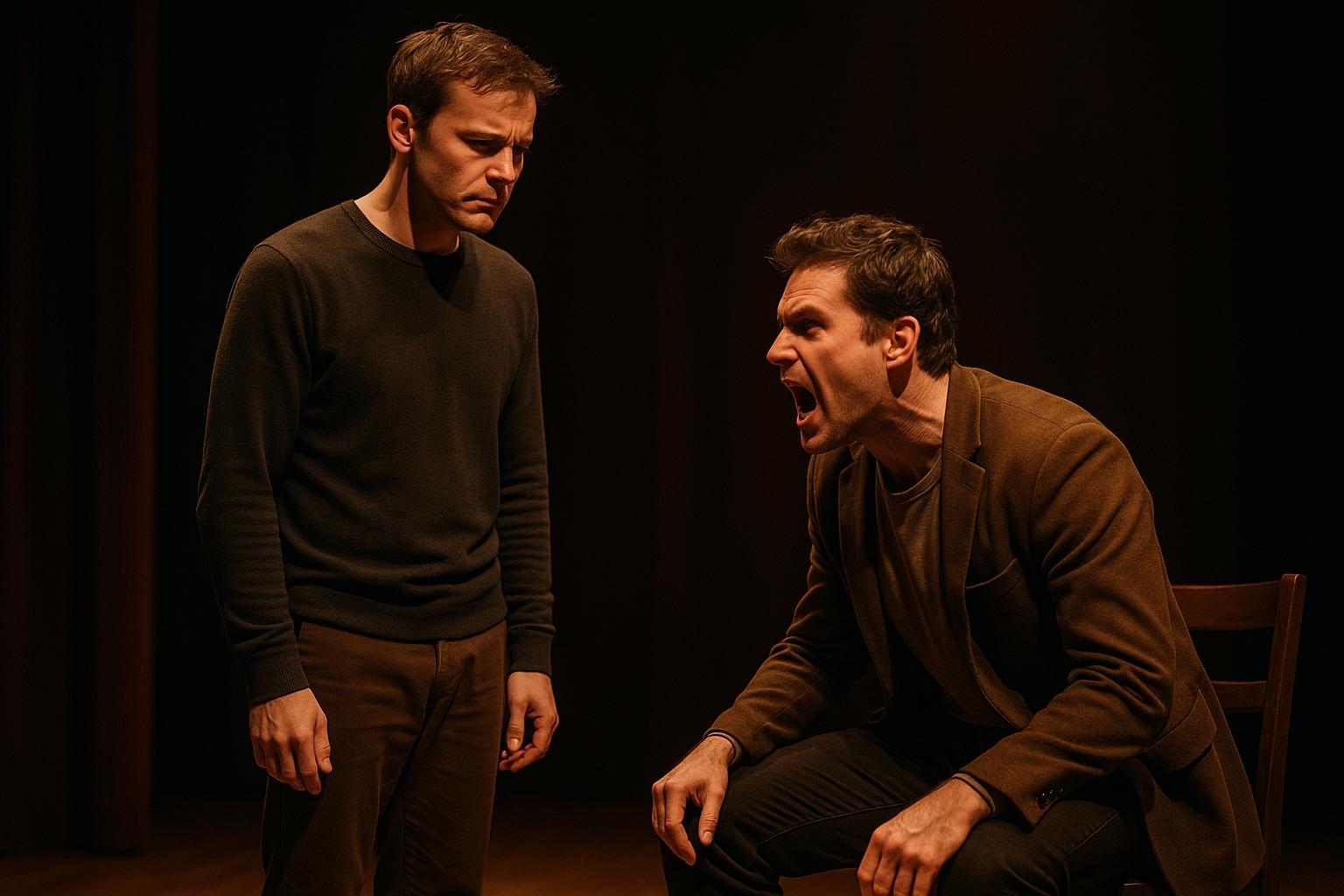
- What's the Difference Between Conflict and Tension?
- What Conflict and Tension Mean
- Effects on Story Structure
- Conflict vs. Tension
- AI Analysis of Scripts
- Conclusion
- FAQs
Conflict and tension are essential tools for any screenplay. Here's the difference:
- Conflict: The visible struggle between characters or obstacles. It drives the story forward by creating challenges for the protagonist.
- Tension: The emotional anticipation of what might happen next. It keeps the audience engaged by building suspense and uncertainty.
Quick Comparison Table:
| Aspect | Conflict | Tension |
|---|---|---|
| Timeline | Happens in the present moment | Builds over future possibilities |
| Visibility | Open and obvious | Subtle and beneath the surface |
| Function | Moves the plot forward | Keeps the audience emotionally hooked |
| Character Impact | Highlights immediate struggles | Raises emotional stakes |
Want to balance both? Use tools like AIScriptReader to analyze and refine your scripts, ensuring your story is both action-packed and emotionally gripping.
What's the Difference Between Conflict and Tension?
What Conflict and Tension Mean
Taking a closer look at conflict and tension can help refine your script and give it a sharper edge.
Conflict Basics
At its core, conflict is about obstacles - what stands in the way of your characters achieving their goals. As K.M. Weiland puts it:
"Conflict indicates a defined obstruction between the character and the goal."
This obstacle isn’t just about advancing the story; it also peels back the layers of your characters, revealing what they truly want and fear.
Tension Basics
Tension, on the other hand, works differently. It’s that underlying suspense, the feeling of anticipation about what might happen next. As one expert explains:
"While tension simmers beneath the surface, conflict unfolds openly."
To make things even clearer, here’s a quick comparison of the two:
| Aspect | Conflict | Tension |
|---|---|---|
| Timeline | Present moment | Future possibilities |
| Visibility | Open and obvious | Subtle and beneath the surface |
| Nature | Direct opposition | Emotional anticipation |
| Function | Moves the plot forward | Keeps the audience emotionally hooked |
| Character Impact | Highlights immediate struggles | Raises emotional stakes |
Effects on Story Structure
Conflict's Impact on Plot
Conflict is the engine that drives a story forward, shaping every scene and sequence along the way. Syd Field, a well-known screenwriting expert, puts it perfectly:
"All drama is conflict. Without conflict, you have no action; without action, you have no character; without character, you have no story; and without story, you have no screenplay."
This influence plays out on two levels. On a broader scale, the central conflict builds momentum toward the story's climax. On a smaller scale, individual scene conflicts act as stepping stones, guiding the narrative toward its resolution.
Take Raiders of the Lost Ark as an example. Indiana Jones faces a series of escalating conflicts: physical threats like deadly traps and venomous snakes, intellectual challenges such as decoding ancient texts, and human adversaries like the persistent Nazi forces. Each layer adds complexity, pushing the story toward its dramatic peak.
Tension's Impact on Viewers
While conflict shapes the structure of the plot, tension controls how the audience experiences it emotionally. Tension works by balancing the audience's hopes with their fears, keeping them on edge as the story unfolds.
A great example of this is the basement scene in The Silence of the Lambs, which masterfully ramps up anxiety and keeps viewers glued to the screen.
Similarly, A Quiet Place uses sound - or rather, the lack of it - to maintain a gripping sense of tension. The ever-present threat that any noise could bring disaster keeps the audience on edge, even during quieter moments.
Together, conflict and tension are a powerful duo: conflict provides the immediate hurdles, while tension ensures the audience stays emotionally invested in how it all plays out.
sbb-itb-44d62f7
Conflict vs. Tension
Main Differences
Understanding the difference between conflict and tension is essential for crafting a compelling screenplay. While these two elements often work hand in hand to captivate audiences, they serve distinct roles and appear in different ways within a story.
Here’s a quick breakdown of how they differ:
| Aspect | Conflict | Tension |
|---|---|---|
| Core Purpose | Represents the active struggle or obstacle between opposing forces | Embodies the emotional anticipation of potential outcomes |
| Visibility | Clearly visible within the story’s action | Often subtle, simmering beneath the surface |
| Timing | Immediate and direct, happening in the moment | Builds gradually over time |
| Character Impact | Forces characters to face challenges head-on | Intensifies internal pressure and emotional stakes |
| Audience Effect | Engages through dynamic, visible struggles | Keeps viewers on edge by creating uncertainty about what’s next |
Screenwriting expert Tom Vaughan explains tension as the space between:
"What the audience hopes will happen vs. What the audience fears will happen."
Conflict is what drives the action - characters dealing with obstacles or opposing forces. Tension, on the other hand, is what keeps viewers emotionally invested, as they anticipate possible outcomes, good or bad. Together, these elements create a story that balances dramatic action with emotional depth.
AI Analysis of Scripts
Screenwriting has entered a new era with the integration of AI tools designed to tackle challenges like conflict and tension head-on. These tools, like AIScriptReader, provide writers with resources to refine their scripts and enhance storytelling. Here's a closer look at how AIScriptReader addresses common narrative hurdles and helps build emotional depth.
Identifying Conflict Issues
AIScriptReader's Scene Improvements feature is a game-changer for identifying and refining conflict within individual scenes. By comparing each scene's conflict clarity against the story's overarching goals, the tool highlights areas that need work. Writers can even adjust the analysis to match their creative intent, ensuring that pivotal dramatic moments are effectively enhanced.
Evaluating Tension Levels
Once conflict issues are addressed, AIScriptReader's Emotions Elicited Analysis shifts the focus to tension. This feature examines how well scenes maintain anticipation and connect emotionally with the audience. Key elements evaluated include:
| Tension Element | What the AI Assesses |
|---|---|
| Emotional Stakes | How deeply scenes engage viewers on an emotional level |
| Pacing | The rhythm of tension build-up and release |
| Scene Dynamics | The interplay between conflict and emotional intensity |
| Unpredictability | The degree of uncertainty that keeps audiences hooked |
Key Features of AIScriptReader
AIScriptReader combines its analytical capabilities into two core offerings:
-
Coverage Reports
These provide an overview of your script's strengths, weaknesses, and market potential. -
Development Notes
Detailed scene-by-scene feedback, complete with side-by-side comparisons to show how revisions enhance the script.
For those curious to see the tool in action, AIScriptReader offers a free critique of your first three scenes. Writers looking for a deeper dive can opt for the Director's Cut package, priced at $9.99, which unlocks full access to all features. The side-by-side comparison tool is particularly useful, showing how changes affect conflict, tension, and overall narrative balance.
Conclusion
Conflict and tension are at the heart of every gripping screenplay, each playing a critical role in shaping the story. Conflict pushes the narrative forward by introducing external challenges, while tension keeps the audience emotionally invested, creating anticipation and a sense of unpredictability.
Together, these elements elevate simple plot points into moments that resonate deeply with viewers. To help screenwriters fine-tune this balance, modern AI tools provide powerful analysis and insights.
For instance, AIScriptReader offers tools like Coverage Reports and Development Notes to evaluate how well a script handles conflict and tension. These features guide writers in crafting stories where conflict remains clear and tension steadily builds, ensuring the narrative stays engaging from start to finish.
FAQs
How can screenwriters balance conflict and tension to create a more engaging screenplay?
To handle conflict and tension effectively in your story, start by establishing clear stakes for your characters and steadily raising them as the plot unfolds. Stakes are what’s at risk for the characters, and they’re key to creating emotional investment. As the stakes climb higher, your characters will face increasingly difficult decisions, keeping the audience engaged and eager to see what happens next.
Mix things up by weaving in various types of conflict - like direct confrontations, simmering emotional tension, or high-energy action scenes. This variety adds depth and keeps the story dynamic. Make sure every scene ties back to the central conflict and supports the overall narrative arc. Doing so not only keeps the audience hooked but also strengthens both character growth and plot momentum.
If you’re looking for extra help, tools like AIScriptReader can analyze your script and offer practical feedback to fine-tune the balance of conflict and tension, ensuring your story grabs attention from beginning to end.
What are common mistakes writers make when building tension in scripts, and how can they avoid them?
A frequent misstep writers make when building tension is neglecting to establish clear stakes from the start. If the audience doesn’t grasp what’s on the line, it’s much harder for them to stay invested. Another common problem is introducing obstacles that feel too easy to overcome or completely unrealistic, which can drain the story of its impact.
To sidestep these issues, ensure your characters have well-defined goals and face challenges that feel authentic and truly threaten those goals. Adding elements like a "ticking clock" or gradually increasing the stakes can help maintain a sense of urgency and keep the tension alive. When the audience cares about what’s at risk, your story becomes far more engaging and unforgettable.
How can AIScriptReader help screenwriters enhance conflict and tension in their scripts?
AIScriptReader offers screenwriters a powerful way to sharpen conflict and tension in their scripts through its Coverage Reports and Development Notes. These tools dive into the script's structure, character relationships, and pacing, pinpointing areas where tension can be amplified or conflict more effectively woven into the story.
By identifying chances to increase stakes, add time constraints, or deepen character dynamics, AIScriptReader helps writers create narratives that grab attention and resonate emotionally. Its feedback ensures that every moment of conflict and tension plays a meaningful role in strengthening the overall story.
Free Screenwriting Tools
Tools to use alongside your writing — no signup, no cost.
Free Screenplay Editor
Write and auto-format scripts in your browser. Cloud autosave, PDF & Fountain export.
Open tool →AI Script Breakdown
Upload a script and every scene is tagged with its production elements. $29 per script.
Open tool →Get a Full Coverage Report — $39
AI screenplay coverage and development notes in minutes. No subscription.